Watch: LayerV at Seekers Summit — Why the Future of Security Is Invisible
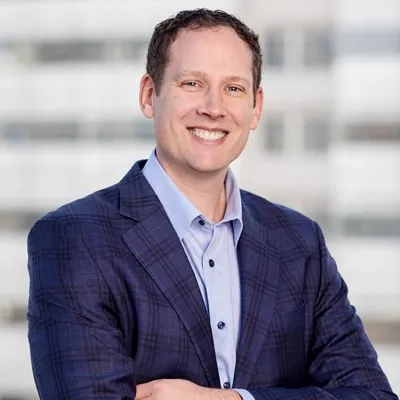
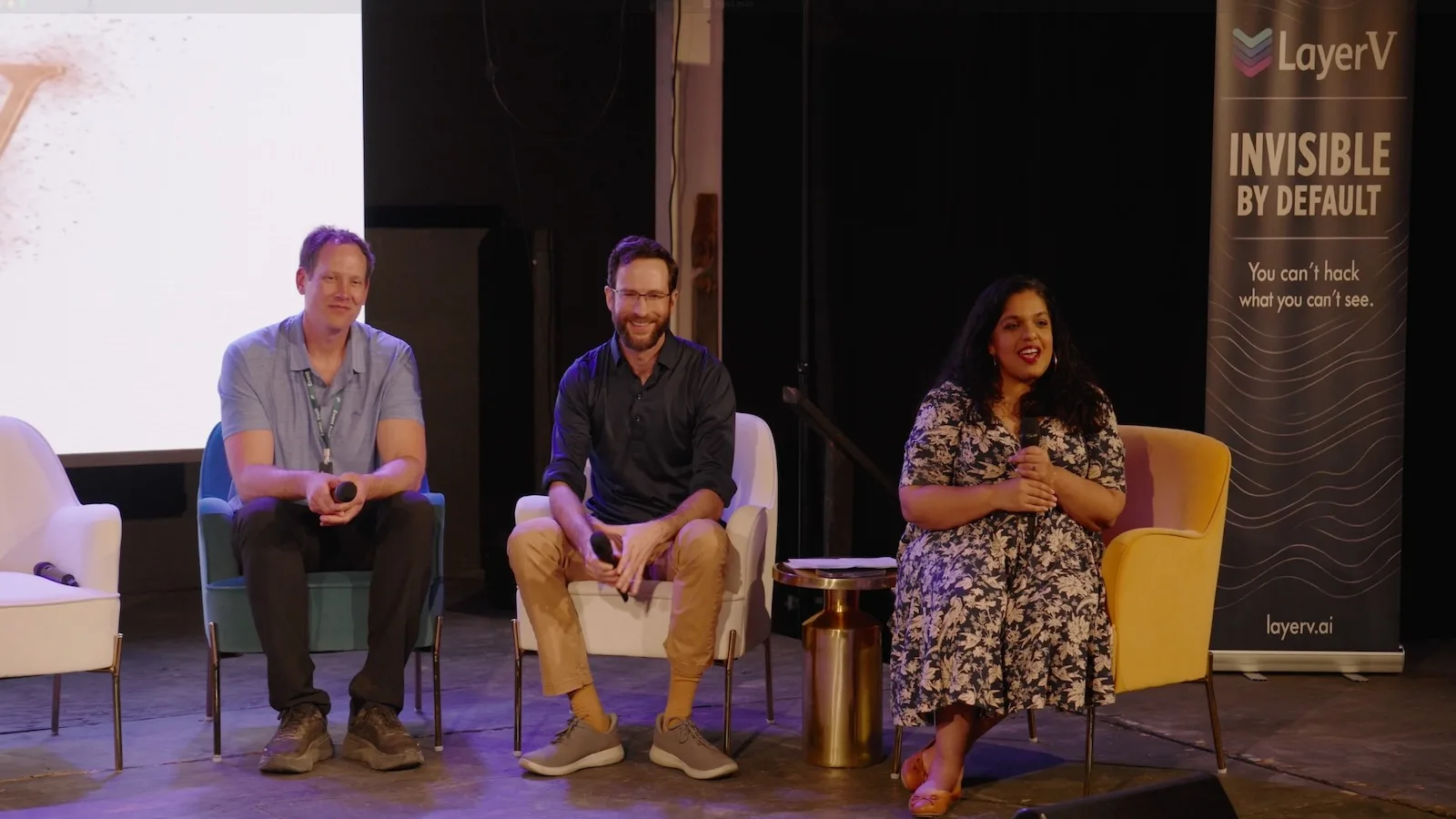
Joe Ollis and Justin Posey at Seekers Summit: how reducing public application exposure changes the access model for people and agents.
AI-assisted reconnaissance makes unnecessary public application exposure harder to ignore.
Automated tools can probe exposed services and help analyze the results. Detection and response remain necessary, but teams can also reduce what an unauthenticated caller can reach in the first place.
At Seekers Summit — the two-day Tucson event covered by local affiliate KOLD News — LayerV stepped onto the stage with a different proposition: stop trying to outrun the threat. Take yourself off the map entirely.
The Premise: You Can't Breach What You Can't See
Most security tools live downstream of exposure. A firewall filters traffic that has already arrived. An EDR responds to behavior that has already started. A SIEM correlates alerts that have already fired. Every one of these models assumes the attacker can see something to attack.
LayerV asks a simpler question: what if there was nothing to see in the first place?
Built on OpenNHP, LayerV puts authorization before the protected origin connection. Keep the origin private, publish it with a cryptographic resource identity, and issue a qURL™ access link for the task. The CRID identifies the resource; the signed link grants access. Builders can create links through the CLI, SDKs, and API. Browser recipients need no LayerV account or client installation.
Standard links are bearer credentials, not automatically tied to one person. Keep application sign-in when verified identity is required. Link expiry, use limits, and session duration are separate controls. Publishing does not close a public route that already reaches the origin.
The result is a private resource with access that can travel with the work, instead of a permanent public application endpoint.
Why It Matters Now
Teams can reduce unnecessary public exposure while retaining detection and response. AI-assisted reconnaissance makes that combination more useful; no single control replaces the rest of the security program.
For executives weighing where to invest next, the implication is concrete:
- Less surface area for adversarial AI to analyze
- Fewer signals for automated reconnaissance to map
- Private origins that do not expose an application login page to direct internet probes
- Access records that can support security reviews; verify coverage for your compliance requirements
This is what the LayerV team — alongside host Art Chandrasekaran — walked through at Seekers Summit. The full 23-minute talk covers the architectural shift, the threat landscape driving it, and what implementation looks like in practice for security leaders evaluating the next decade of investment.
Take the Next Step
- Get Mythos ready — the readiness playbook for AI-speed attacks
- Book a 15-minute executive briefing — see the business case for invisible infrastructure
- Install the qURL CLI — follow setup, publish an HTTP resource, and share a private link
- Read how it works — the technical deep dive
Speakers: Joe Ollis, Justin Posey · Host: Art Chandrasekaran · Recorded at Seekers Summit