The White House Just Told Everyone What We've Been Saying for Two Years
The White House released its national cyber strategy with initial access denial as explicit policy. Here's what it means for cloud security teams and why infrastructure invisibility is now a national priority.

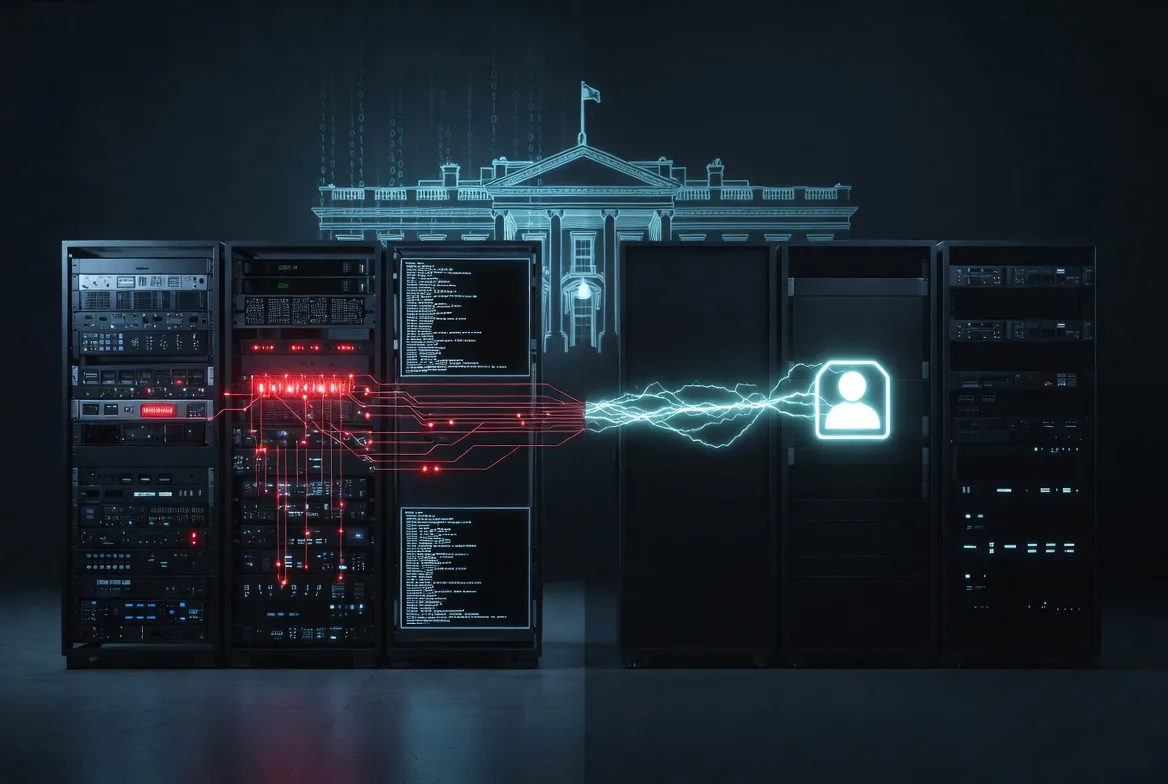
Yesterday the White House released "President Trump's Cyber Strategy for America" — seven pages that amount to the federal government finally admitting what should have been obvious: you can't keep getting punched in the face and call your ice pack a strategy.
The document lays out six pillars, but the one that matters most is this: deny adversaries initial access. Not detect them faster. Not respond more efficiently after your data is already in a Telegram channel. Deny them the ability to see your infrastructure in the first place.
I co-authored the Cloud Security Alliance's OpenNHP specification — the standard LayerV is built on. I've spent two years in rooms explaining to smart, well-funded security teams that their entire defensive posture assumes attackers have already mapped their infrastructure — and that this assumption is a choice, not an inevitability. The polite nods I used to get have turned into phone calls. Yesterday's strategy is why.
What Actually Matters in This Document
Six pillars. I'll save you the policy-speak on the ones that are table stakes (talent pipelines, interagency coordination, quantum readiness) and focus on the three that should change how you operate:
1. "Shape Adversary Behavior" is a euphemism for going on offense
The strategy calls for using defensive and offensive capabilities to confront threats before breaches occur, with private industry as a direct partner in disrupting adversary infrastructure. This is not the government asking you to file more incident reports. This is the government saying the kill chain starts at reconnaissance — and they want help cutting it there.
2. Initial access denial is now explicit national policy
The document doesn't just mention it. It's threaded through multiple pillars. The exact words:
"We must detect, confront, and defeat cyber adversaries before they breach our networks and systems."
If your security model begins at detection, you're starting too late.
(Worth noting: offensive postures carry real escalation risks, and thoughtful implementation matters. But the directional shift is significant and overdue.)
3. Private sector companies aren't compliance subjects anymore — they're operational partners
The strategy envisions incentive structures for companies that help disrupt threats at scale. If you're building security technology that removes attack surface rather than monitoring it, you're now aligned with national strategy. That's not nothing when your CISO is justifying budget.
A Direct Note for Cloud Teams
If you're running workloads on AWS, Azure, or GCP, this strategy is talking about you specifically — even if it doesn't name you. Your cloud environments expose attack surface through public endpoints, discoverable services, and security group configurations that scanners can inventory in seconds. Every open port is an invitation. Every DNS record is a map coordinate.
The old model was: expose services, then protect them. The new national direction is: don't expose them at all unless someone has proven they should see them.
If that sounds impractical, it's because you haven't seen it done well yet.
Where LayerV Fits
I'm not going to pretend we built LayerV because we predicted this White House strategy. We built it because the math was obvious. Scanning the entire IPv4 space takes under an hour. Attackers enumerate your infrastructure before your SOC has finished their morning standup. The only durable response is to make your infrastructure invisible to anyone who hasn't authenticated first.
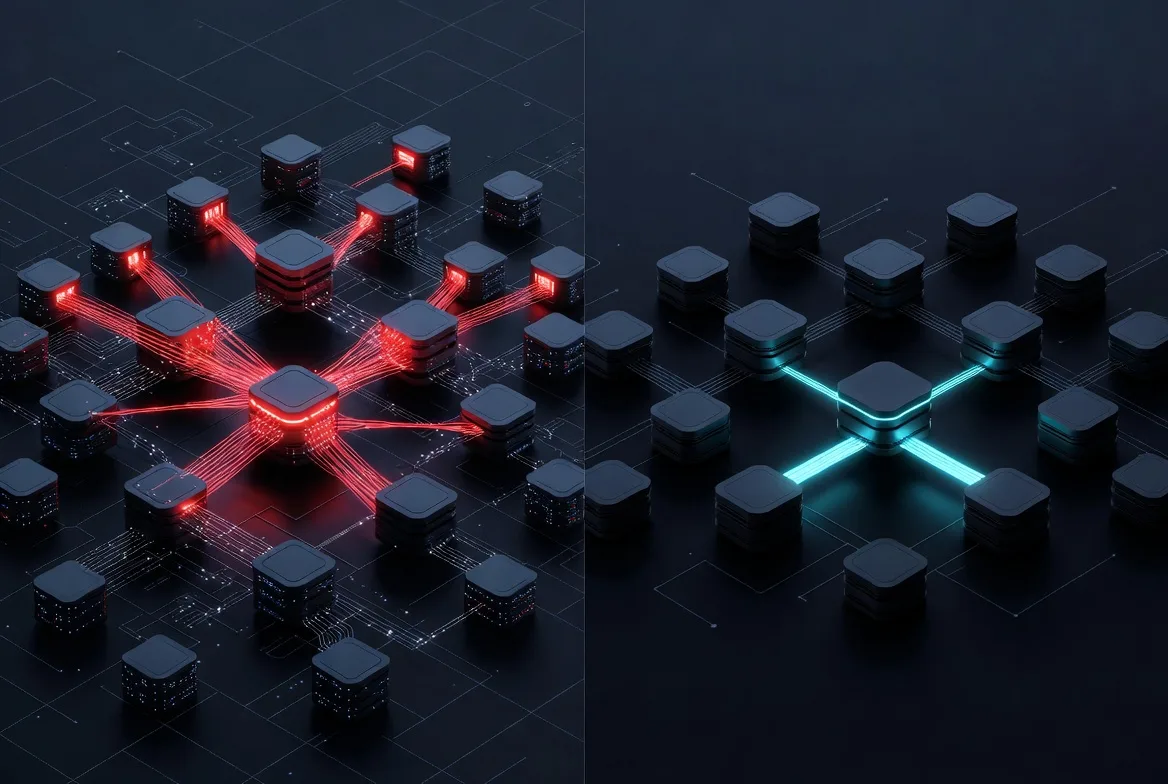
That's what LayerV does. Using the OpenNHP standard, we make cloud resources cryptographically dark — no open ports, no DNS records, nothing for scanners to find. When an authorized user authenticates through your existing identity provider (Okta, Entra ID, whatever you already have), the connection materializes. Everyone else sees... nothing.
Our design partners in regulated industries have gone from thousands of discoverable endpoints to effectively zero, with zero performance hit and no rip-and-replace.
If that sounds like what the White House just described as national cybersecurity strategy, it's because it is.
What to Do Next
Read the strategy. It's seven pages and refreshingly direct — full PDF here.
Then ask your team a simple question: How many of our services are visible to people who have no business seeing them?
If the answer makes you uncomfortable, we should talk.